


Complex PTSD develops from trauma that wasn't a single event — it was ongoing. Childhood abuse, neglect, domestic violence, or any situation where you were trapped in harm over time can lead to C-PTSD. The effects run deep: difficulty with relationships, emotional regulation, self-identity, and trust. At Patterson Counselling Services, we understand the unique challenges of C-PTSD and provide specialized treatment to help you heal.
When You Need C-PTSD Treatment
C-PTSD often shows up differently than single-event PTSD. You might struggle with intense emotions that seem to come from nowhere, chronic feelings of emptiness or shame, and difficulty maintaining stable relationships.
Other signs include a persistent sense that you're fundamentally different from other people, difficulty trusting anyone, feeling like the world is completely unsafe, and patterns of re-victimization.
Many people with C-PTSD have been told they have 'personality issues' or that they're 'too sensitive.' The truth is, your nervous system adapted to survive impossible conditions. Treatment helps your brain learn that the danger has passed.
The U.S. Department of Veterans Affairs provides guidance on complex PTSD assessment and treatment, describing C-PTSD as involving PTSD symptoms plus additional difficulties with emotional regulation, self-identity, and relationships.
According to Cleveland Clinic, complex PTSD symptoms and treatment differ from standard PTSD, as C-PTSD develops from chronic, repeated trauma and includes difficulties with emotional regulation and a negative self-concept.
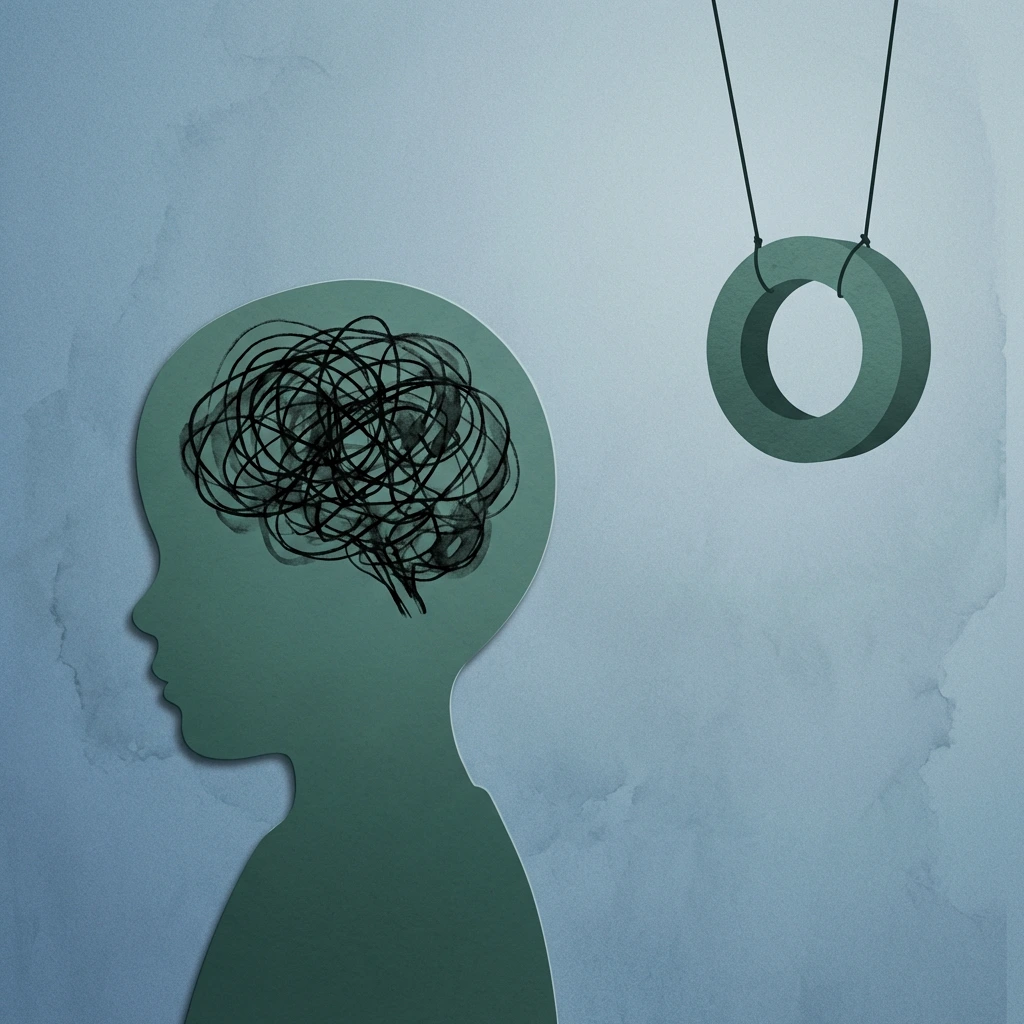
Our C-PTSD Treatment Process

C-PTSD treatment requires a phased approach. We start by building safety and stabilization — helping you develop the internal resources you need before processing traumatic memories.
Once you have a stable foundation, we use Accelerated Resolution Therapy (ART) and other trauma-focused modalities to process the layers of traumatic experience. This work happens at your pace.
Sessions are 50 minutes, typically weekly. The duration of treatment varies — C-PTSD often requires longer engagement than single-event PTSD, but ART can significantly accelerate progress.
C-PTSD Treatment Cost in Red Deer
C-PTSD treatment costs depend on session frequency and the duration of treatment. We're transparent about fees before you begin.
Sessions with a Registered Psychologist are covered by most employer benefits plans. We accept Alberta Blue Cross, Manulife, Sun Life, and other major providers.
Why Choose Patterson Counselling Services
C-PTSD requires a therapist who understands the complexity of repeated trauma. Our Registered Psychologist and ART Master Practitioner has specific expertise in this area.
We provide a safe, patient, non-judgmental environment. Our practice is women-owned, wheelchair accessible, and offers online sessions across Alberta.

Frequently Asked Questions About Complex PTSD (C-PTSD) Treatment
What's the difference between PTSD and C-PTSD?
PTSD usually develops after a single traumatic event or a time-limited series of events. C-PTSD results from prolonged, repeated trauma, often during childhood or in situations where escape wasn't possible. C-PTSD includes the symptoms of PTSD plus additional challenges with emotional regulation, self-identity, and relationships.
I was never hit or physically abused. Can I still have C-PTSD?
Yes. C-PTSD can develop from emotional abuse, chronic neglect, growing up with an emotionally unavailable or unpredictable caregiver, or any environment where you didn't feel safe over a long period. Physical violence isn't required. The sustained absence of safety and connection can be just as impactful.
How long does C-PTSD treatment typically take?
C-PTSD treatment is usually a longer process than single-event PTSD treatment because there are more layers to work through. Some clients benefit from several months of weekly sessions, while others may need a year or more. We build a treatment plan based on your situation and adjust as you progress.
Can C-PTSD be misdiagnosed as something else?
It's common. Many people with C-PTSD have been previously diagnosed with anxiety, depression, borderline personality disorder, or attention disorders. While those symptoms can be present, the underlying cause is often repeated trauma. Identifying C-PTSD changes the treatment approach significantly.
Will I need to talk about my childhood in detail?
Not more than you're comfortable with. We use methods like ART that can process traumatic memories without requiring a detailed verbal retelling. We also take time to build safety and trust before doing any deeper processing work. You set the pace.