


Trauma therapy goes deeper than managing symptoms. It's about understanding how traumatic experiences have wired your brain, shaped your beliefs about yourself, and influenced your relationships. At Patterson Counselling Services in Red Deer, our Registered Psychologist uses evidence-based, trauma-focused approaches to help you process what happened and build a life that isn't defined by your past.
When You Need Trauma Therapy
Trauma therapy is for when you recognize that past experiences are still running your life — affecting your relationships, your sense of safety, your self-worth, and your ability to feel present.
You might be dealing with a single traumatic event or a pattern of experiences that accumulated over time. Either way, the effects are real: difficulty trusting people, emotional volatility, chronic shame, or a persistent feeling of being 'broken.'
If counselling has helped you understand the problem but you still feel stuck, psychotherapy offers the deeper work needed to create lasting change.

Our Trauma Therapy Process
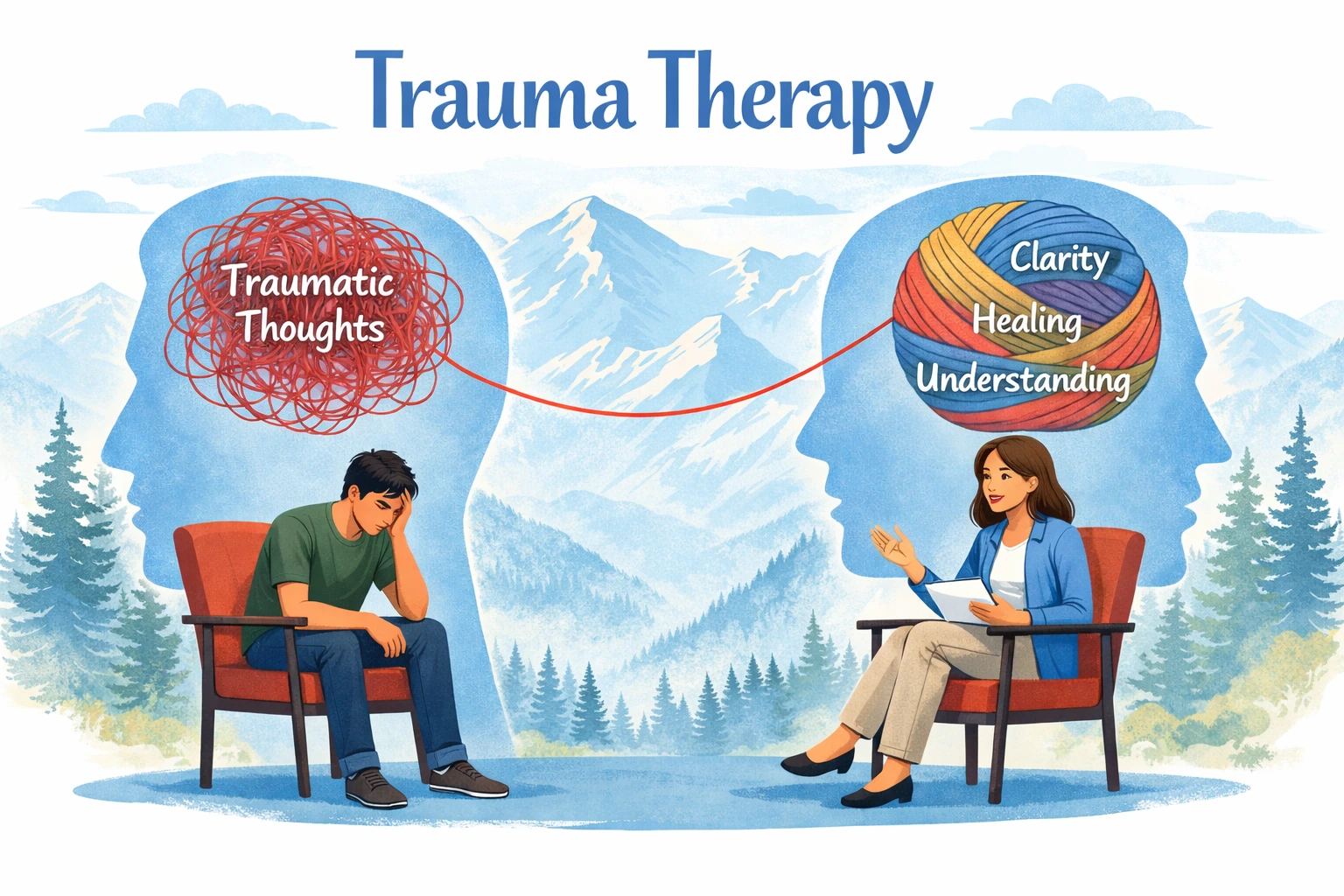
We begin with a thorough assessment to understand your history, your current challenges, and what healing looks like for you. This isn't about rushing through a checklist — it's about building a foundation of trust and safety.
Treatment incorporates Accelerated Resolution Therapy (ART) and other trauma-focused modalities. ART is particularly effective because it allows your brain to reprocess traumatic memories without requiring you to verbalize every detail.
Sessions are 50 minutes, typically weekly. Available in-person in Red Deer and online across Alberta.
The American Psychological Association recommends several evidence-based treatments for trauma, with research consistently showing their effectiveness in reducing symptoms.
Trauma Therapy Cost in Red Deer
The cost of trauma therapy depends on session frequency and treatment duration. We're transparent about fees before your first session.
Sessions with a Registered Psychologist are covered by most employer benefits plans. We accept Alberta Blue Cross, Manulife, Sun Life, and other major providers.
Why Choose Patterson Counselling Services
Trauma therapy is our specialty — not a side offering. Our Registered Psychologist holds ART Master Practitioner certification and has dedicated her practice to understanding how trauma affects the brain and body.
Our practice is women-owned, wheelchair accessible, and offers online sessions for clients across Alberta.
As Psychology Today explains, working with a trained trauma therapist is important because trauma is a highly specialized area of practice that requires specific training and experience.

Frequently Asked Questions About Trauma Therapy
What's the difference between trauma therapy and regular therapy?
Regular therapy often focuses on current symptoms, coping skills, and talk-based processing. Trauma therapy uses specialized, evidence-based approaches designed to help your brain reprocess traumatic memories at a deeper level. At Patterson Counselling Services, we use methods like Accelerated Resolution Therapy (ART) that work differently from traditional talk therapy.
I'm not even sure I have trauma. Can I still come in?
Of course. Many people don't recognize their experiences as trauma because they've been minimizing them for so long. If you're struggling with anxiety, relationship patterns, emotional reactions, or a general sense that something is off, that's worth exploring. We can figure it out together.
How is trauma therapy different from trauma counselling?
Trauma therapy focuses on directly processing the traumatic experiences using evidence-based methods. Trauma counselling focuses more on support, coping skills, and understanding how trauma affects your daily life. Both are valuable, and we offer both at our practice.
Can trauma therapy help even if the trauma happened in childhood?
Yes. In fact, childhood trauma is one of the most common reasons people seek trauma therapy. The brain stores those early experiences, and they continue to influence your emotions, relationships, and nervous system responses well into adulthood. Processing them can create meaningful change.
What does ART (Accelerated Resolution Therapy) involve?
ART uses guided eye movements to help your brain reprocess traumatic memories. You stay awake, aware, and in control throughout. The goal is to change how the memory is stored so it no longer triggers the same intense emotional and physical reactions. Many clients experience significant improvement in 1 to 5 sessions.